
Trade expos for mining, energy, and heavy industry attract thousands of attendees each year. Global conferences such as those organized by MINExpo International, ADIPEC, and PDAC bring together investors, equipment suppliers, contractors, and engineering firms competing for attention in crowded exhibition halls. Research from Statista shows that global trade show spending has steadily recovered after pandemic disruptions, with companies increasing budgets for live events and visual marketing. Industrial businesses now face growing pressure to explain complex services quickly while still appearing modern, credible, and investment-ready.
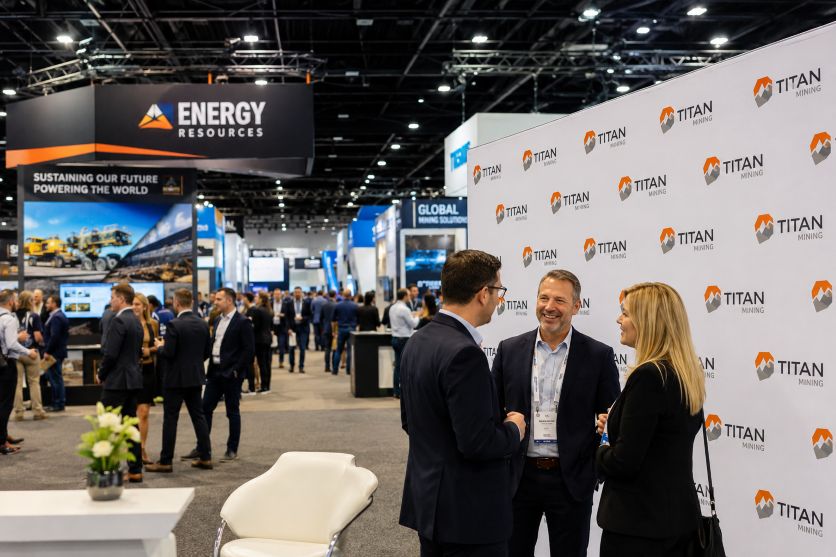
Traditional booth graphics and printed signage still play a role, but many companies are shifting toward media-focused branding systems that improve visibility both on-site and online. Discussions surrounding step and repeat New York branding strategies highlight how repeated-logo backdrops can strengthen photography, sponsor recognition, and public-facing presentation during conferences and investor events. This change reflects a broader trend across industrial sectors where presentation quality increasingly influences networking opportunities, media coverage, and partnership discussions.
The Problem With Traditional Industrial Trade Show Displays
Industrial companies often deal with highly technical products and services. Mining operators showcase extraction equipment. Energy companies present infrastructure systems and sustainability projects. Engineering firms discuss logistics, safety, and compliance solutions. These subjects are important, but they can be difficult to communicate inside busy convention centers filled with competing displays.
Many older-style trade show booths relied heavily on dense text panels, equipment demonstrations, and large printed banners. While informative, these setups sometimes lacked flexibility and visual consistency. Attendees walking through large expos often spend only a few seconds scanning each booth before moving on. Experts from Exhibitor Magazine note that attendees respond more quickly to visually organized displays that communicate identity immediately rather than forcing visitors to read long explanations first.
Photography also became a growing concern. Industrial conferences now generate significant online exposure through LinkedIn posts, press coverage, livestreams, and investor presentations. Standard booth walls with scattered logos or cluttered graphics do not always produce professional-looking photos. Poor lighting, inconsistent branding, and busy backgrounds can weaken media impact even when the underlying business is highly respected.
This issue matters because trade show content now extends far beyond the event itself. A single investor conference photo may circulate online for months. Companies increasingly evaluate how their branding appears in interviews, networking photos, executive presentations, and social media updates.
Comparing Traditional Booth Signage and Media-Wall Branding
Traditional Signage Systems
Conventional industrial booths usually focus on function first. Large printed banners explain services, showcase machinery specifications, or display operational data. These systems work well for direct technical communication, especially when attendees are already familiar with the industry.
- Strong for product explanations and technical diagrams
- Useful for displaying engineering data and certifications
- Supports direct conversations with qualified buyers
- Often designed for practicality rather than photography
However, traditional signage can appear static in modern event environments. Large text-heavy displays may struggle to attract media attention or encourage attendee interaction. Research published by Event Marketer indicates that visually engaging trade show environments increase attendee dwell time and improve brand recall compared to standard informational displays.
Modern Media-Wall Branding Systems
Media-wall branding takes a different approach. Instead of relying solely on technical messaging, companies create visually consistent backdrops designed for interviews, executive photos, sponsor recognition, and event visibility. Repeating-logo displays, branded photography walls, and modular backdrops help companies maintain a clean visual identity across multiple event activities.
- Improves professional appearance in event photography
- Creates consistent branding for media interviews
- Enhances sponsor visibility during conferences
- Works well for investor relations and networking events
These systems became common in entertainment, sports, and corporate PR years ago. Industrial companies are now adapting similar techniques because business communication increasingly happens through digital platforms. A conference image posted online can reach far more people than the event audience itself.
Media-wall systems also help simplify visual messaging. Instead of overwhelming visitors with technical details immediately, companies first establish brand recognition and credibility. Detailed conversations can follow afterward through presentations, demonstrations, or private meetings.
Why Investor Visibility Matters More Than Ever
Mining and energy sectors continue to compete for financing, partnerships, and regulatory support. Data from McKinsey & Company suggests industrial firms face rising pressure to demonstrate innovation, sustainability, and operational transparency to investors and stakeholders. Trade conferences often become key environments where these conversations begin.
Professional presentation therefore carries more strategic value than it once did. Investors attending industrial expos may visit dozens of booths in a single day. Clean branding, organized event spaces, and strong visual presentation can influence how companies are remembered after initial meetings.
Industrial businesses are also expanding participation in media-facing events beyond traditional engineering expos. Sustainability conferences, clean energy forums, infrastructure summits, and ESG investment events attract journalists and financial analysts alongside technical professionals. These mixed audiences respond differently than traditional procurement-focused trade shows.
Modern branded backdrops help companies adapt to these broader audiences. Media walls provide recognizable visual consistency whether the company appears in a technical conference photo, executive interview, sponsorship event, or livestream panel discussion.
Digital Media Changed Trade Show Expectations
Social media platforms transformed how trade events operate. Photos from conferences now circulate instantly through LinkedIn, industry publications, and company press releases. Research from HubSpot shows that visual content consistently generates higher engagement rates online than text-only updates. Industrial companies increasingly recognize that event branding affects digital visibility long after conventions end.
This shift explains why many exhibitors invest in photography-friendly booth elements. Media-ready branding systems help ensure that logos remain visible and professional across different camera angles and event settings.
Trade shows themselves have evolved into hybrid marketing environments. A company no longer attends solely to hand out brochures or schedule meetings. Businesses now produce video clips, executive interviews, livestream discussions, and social content directly from expo floors. Clean visual presentation supports all these activities. Discussions around event models in the mining business also reflect how industrial conferences increasingly function as long-term networking and branding platforms rather than simple equipment showcases.
Industrial firms also face stronger competition from global companies with larger marketing budgets and dedicated communications teams. Smaller contractors, engineering consultancies, and resource companies increasingly adopt professional branding systems to remain competitive during high-profile events.
Mainstream Event Marketing Is Reaching Industrial Sectors
Industrial branding once focused almost entirely on technical capability. Today, companies must balance expertise with presentation quality. This does not mean industrial expos are becoming entertainment events. Instead, businesses recognize that professional communication now includes visual consistency, media readiness, and digital-friendly presentation strategies.
Step-and-repeat displays, modular photography walls, and sponsor backdrops have become practical tools for companies seeking stronger visibility during conferences and investor meetings. These systems help businesses appear organized, credible, and prepared for public-facing engagement.
Traditional signage still serves an important purpose, especially for technical demonstrations and product explanations. Yet many companies now combine those systems with modern visual branding techniques that improve photography and event presentation.
Industrial sectors continue adapting to a more connected business environment where partnerships, investor attention, and media exposure often overlap. Companies that communicate clearly and present themselves professionally during trade events may gain advantages that extend far beyond the convention floor itself.
As industrial conferences become increasingly competitive, branding strategies once associated with entertainment and corporate PR are steadily becoming part of standard trade show operations. The shift reflects a larger reality across modern business communication. Technical expertise remains essential, but visual presentation now plays a larger role in how companies attract attention, build credibility, and maintain visibility in crowded global markets.
