
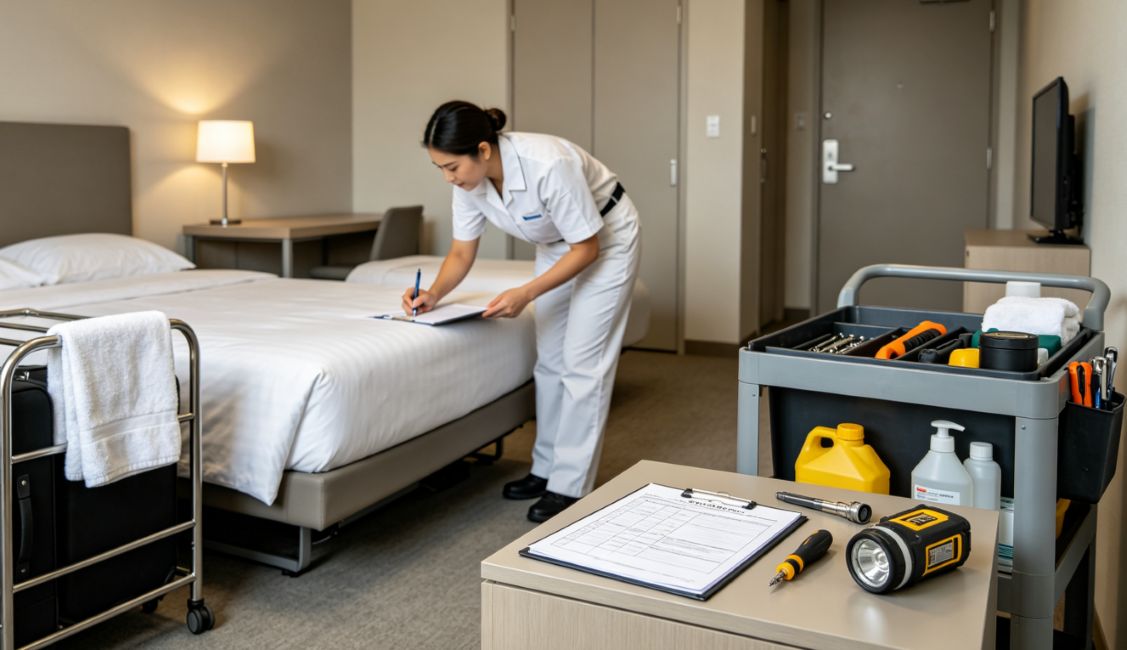
Employee accommodations play a direct role in workforce health, operational continuity, and business performance. Mining sites, industrial projects, energy developments, and other remote operations often depend on shared housing where large numbers of employees live for extended periods. Research from the Centers for Disease Control and Prevention (CDC) highlights that well-managed living environments help reduce health risks and support worker well-being, making accommodation management an important part of overall occupational safety.
One practical way organizations strengthen preventive maintenance is by incorporating localized inspection practices into facility management. For example, bed bug inspection in Buffalo illustrates how routine inspections tailored to regional conditions can help identify problems before they spread through employee housing. While inspection methods vary by location, the underlying principles remain applicable to workforce accommodations across industries.
Why Employee Accommodations Matter in Industrial Operations
Remote work camps, mining accommodations, and temporary workforce housing often experience high occupant turnover. Employees arrive from different regions, travel frequently, and share common areas such as bedrooms, dining facilities, laundry rooms, and recreation spaces. These conditions increase the importance of structured housekeeping and preventive inspections.
Reports from the Occupational Safety and Health Administration (OSHA) emphasize that employers should maintain safe and sanitary living conditions whenever worker housing is provided. Although bed bugs are not known to transmit diseases, the Environmental Protection Agency (EPA) explains that infestations may lead to sleep disruption, anxiety, allergic reactions in some individuals, and increased stress, all of which can affect employee comfort and productivity.
Understanding the Business Risks of Pest-Related Disruptions
Small infestations can expand rapidly when temporary housing serves dozens or even hundreds of workers. Frequent travel, luggage movement, and shared furnishings create opportunities for pests to spread between rooms or buildings.
Business impacts may include:
- Temporary closure of accommodations during treatment.
- Unexpected cleaning and replacement costs.
- Employee complaints and reduced morale.
- Scheduling disruptions while rooms become unavailable.
- Additional administrative work related to inspections and relocation.
Findings published by the National Pest Management Association (NPMA) indicate that early detection significantly reduces the complexity and cost of managing infestations compared with responding after populations become established.
Step-by-Step Guide to Building a Routine Inspection Program
Step 1: Establish Inspection Schedules
Create inspection intervals that match occupancy levels and employee turnover. High-traffic accommodations may benefit from inspections after residents check out, while long-term housing may require scheduled monthly or quarterly evaluations.
Step 2: Train Housekeeping and Maintenance Teams
Cleaning personnel frequently become the first people to notice early warning signs. Training should include recognizing live insects, shed skins, eggs, dark spotting on mattresses, and other indicators that warrant further investigation.
The CDC recommends educating staff so potential issues are identified quickly rather than overlooked during routine cleaning.
Step 3: Document Inspection Results
Maintain detailed inspection records for every building, room, and housing unit. Documentation helps identify recurring problem areas, evaluate trends, and demonstrate that preventive maintenance procedures are consistently followed.
Step 4: Respond Immediately to Findings
If inspectors identify evidence of an infestation, isolate the affected room and arrange a professional assessment as soon as practical. Delayed action increases the likelihood that insects will spread to neighboring accommodations.
Preventive Maintenance for Workforce Housing
Routine inspections become more effective when paired with everyday preventive practices. Facility managers can reduce risks by developing clear maintenance procedures that employees understand and follow. Organizations looking to strengthen housekeeping standards can also benefit from understanding the principles of effective cleaning service management, since organized cleaning operations, staff training, and consistent quality control all contribute to reducing the likelihood of pest-related issues in workforce accommodations.
- Inspect mattresses, bed frames, upholstered furniture, and luggage storage areas regularly.
- Use protective mattress encasements where appropriate.
- Repair cracks, damaged furniture, and wall openings that may provide hiding places.
- Wash bedding using temperatures recommended by laundering guidelines when contamination is suspected.
- Provide employees with information about reporting suspected pest activity promptly.
- Inspect secondhand furniture carefully before placing it into service.
The EPA supports integrated pest management approaches that combine monitoring, sanitation, physical controls, and targeted treatment rather than relying on pesticides alone.
Applying Local Inspection Practices to Employee Housing
Every geographic area presents different environmental conditions, building designs, travel patterns, and seasonal activity. Local inspection programs typically reflect these differences while following consistent inspection principles.
Regional service providers often understand common construction styles, occupancy patterns, and local reporting procedures. Organizations operating multiple workforce accommodations can adapt these localized inspection methods into company-wide policies while allowing flexibility for site-specific conditions.
This approach creates standardized expectations without ignoring the practical realities that vary between urban facilities, industrial camps, and remote project housing.
Building Long-Term Operational Resilience
Preventive inspections provide benefits that extend beyond pest control. Consistent monitoring encourages better housekeeping standards, improves maintenance planning, supports employee confidence, and helps organizations respond quickly when concerns arise.
Research published by the World Health Organization (WHO) notes that healthy living environments contribute to overall well-being, while effective facility management supports safer workplaces. Although accommodation management covers many responsibilities, routine monitoring for pests represents one practical measure that fits naturally into broader health and safety programs.
Organizations that integrate inspections into regular maintenance schedules are often better positioned to avoid unnecessary disruptions. As workforce housing continues to support mining, construction, manufacturing, and energy projects around the world, proactive inspection programs remain a sensible investment in operational reliability, employee comfort, and long-term facility management.
